

Ancient North Carolinians
People have lived in North Carolina for at least 15,000 years. Ancient North Carolinians is a project of the Research Laboratories of Archaeology, University of North Carolina at Chapel Hill. This site tells the story of who these people were, how they lived, and who they are today.
Visit Site
Town Creek Indian Mound
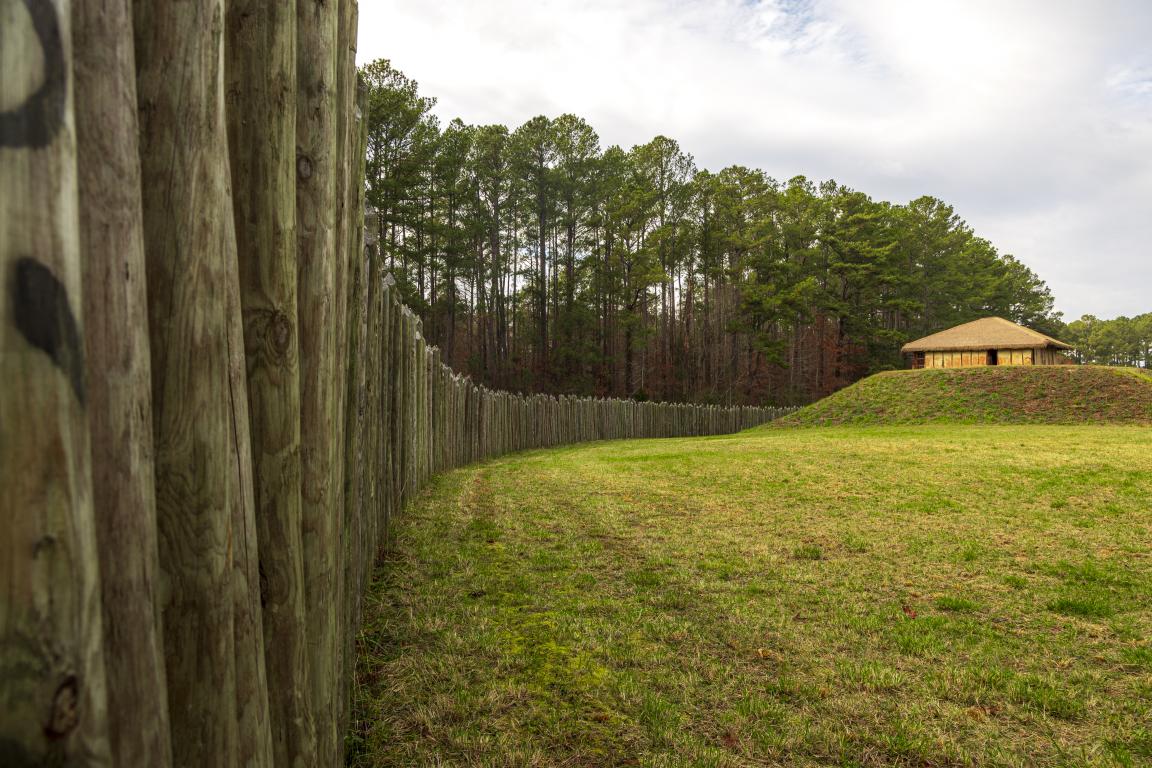
A visit to Town Creek Indian Mound offers a glimpse of pre-Columbian life in Piedmont North Carolina. The visitor center contains interpretive exhibits, as well as audiovisual programs that bring alive a rich cultural heritage from the buried past. Self-guided tours of the rebuilt structures and mound and other group activities are available.
Town Creek Indian Mound
American Indians in the Story of North Carolina
The North Carolina Museum of History's Story of North Carolina 360˚ Virtual Tour offers a section of that covers the period from 12,000 BCE to around 1600 AD. It introduces you to the American Indians who made their homes here for thousands of years, whose descendants live all across the state today—and to the first Europeans to visit North Carolina.
Take the virtual tour.
How to be a North Carolina Citizen Archaeologist
Maybe you have gone for a walk in a state park and you saw a piece of pottery laying on the ground. Or you were planting flowers in your front yard and you dug up an arrowhead. Maybe a family member has a box full of projectile points in the basement that they picked up over the years while farming. What can you do to protect these archaeological resources?
How to Be a North Carolina Citizen ArchaeologistLearning Materials & Lesson Plans
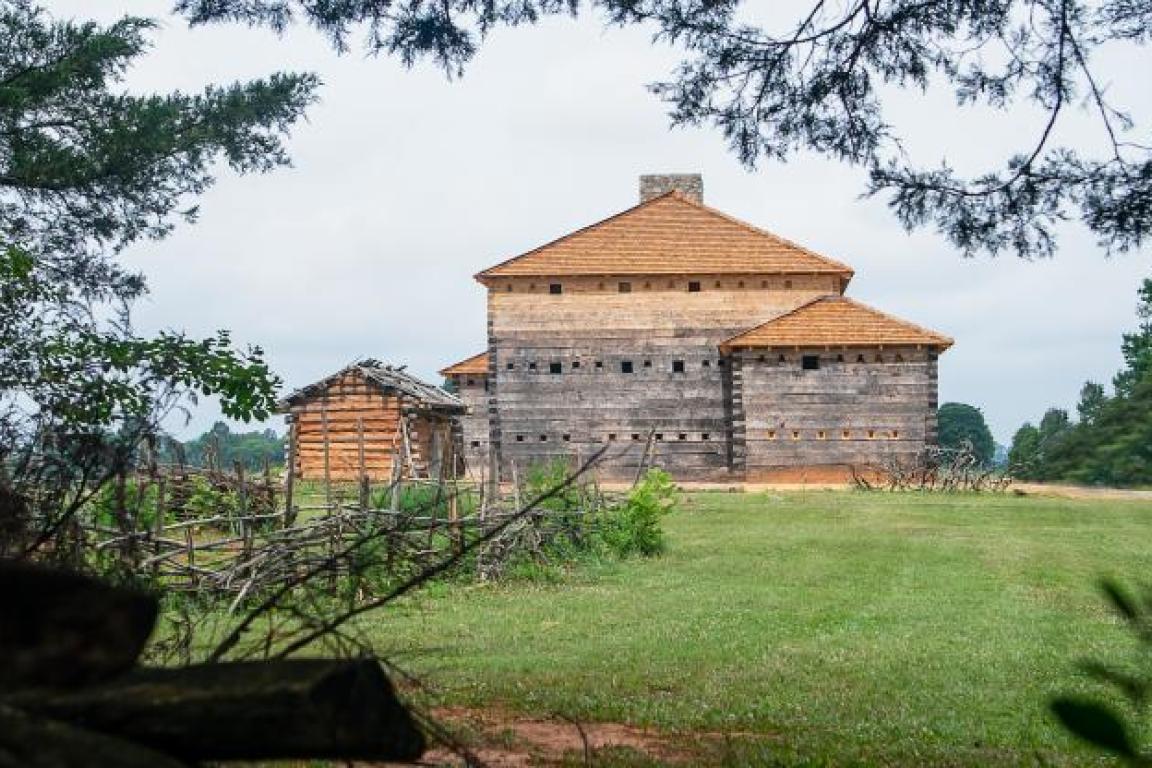
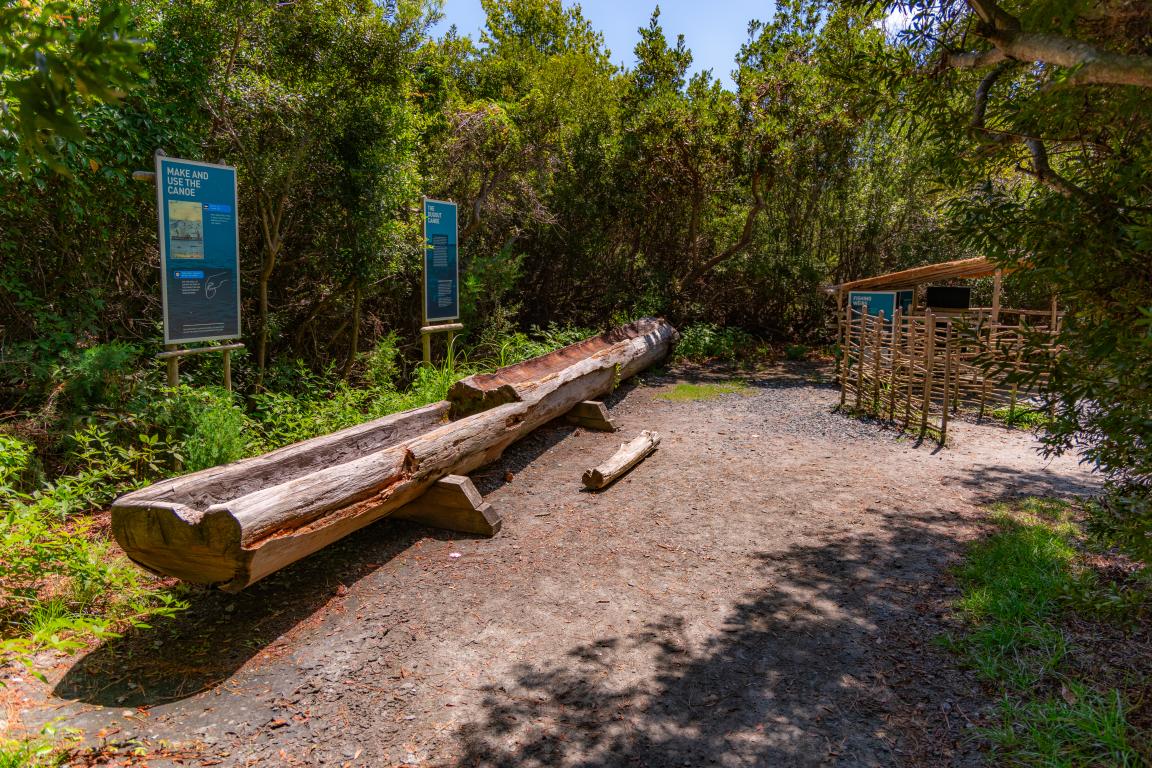
Pre-Contact Timeline
People first migrated to North America from Asia across the Bering Land Bridge sometime between 40,000 and 15,000 BC.
Nomadic hunters traveled across the land following large game animals such as mammoths and bison.
People adapted to a changing climate by hunting smaller animals, fishing, and gathering wild plants for food.
Communities began building permanent settlements near rivers and streams. They farmed, made pottery, and developed trade networks.Communities began building permanent settlements near rivers and streams. They farmed, made pottery, and developed trade networks.
Large towns and chiefdoms formed, marked by strong leadership, organized agriculture, and mound-building for ceremonial and political purposes.
The North Carolina American Indian Community
North Carolina is home to the second-largest American Indian population east of the Mississippi River at approximately 127,000. The North Carolina American Indian Heritage Commission is legislatively mandated and advises and assists the Secretary of the North Carolina Department of Natural & Cultural Resources in preserving, interpreting, and promoting American Indian history, arts, customs, and culture.
Today, North Carolina is home to eight statutorily-recognized tribes:
- Coharie
- Eastern Band of Cherokee Indians*
- Haliwa-Saponi
- Lumbee
- Meherrin
- Occaneechi Band of Saponi Nation
- Sappony
- Waccamaw Siouan
*Full Federal Recognition
and four Urban Indian Organizations:
- Cumberland County Association for Indian People
- Guilford Native American Association
- Metrolina Native American Association
- Triangle Native American Society
Map of Territories
Areas in color indicate counties where the eight recognized tribes of North Carolina reside.
Counties in light blue (Mecklenburg, Guilford, Cumberland, and Wake) indicate location of Urban Indian Associations.